

Introducing Hepagard
Our researchers have developed one natural remedy that combines5 safe ingredientsclinically proven to help support healthy liver function. Click one to find out more:


 Milk Thistle
Milk thistle, a daisy-family plant, is cultivated worldwide for liver protection. Its silymarin prevents liver inflammation and fat buildup. A 2014 study found it reduced liver fat, size, and weight.
 Dandelion Root
Dandelions, with yellow flowers and silver seed heads, have been used for millennia in Chinese and Native American medicine to detoxify the liver. The root holds the most protective compounds. A 2013 study found it reduced lipid accumulation and metabolic hormone resistance.
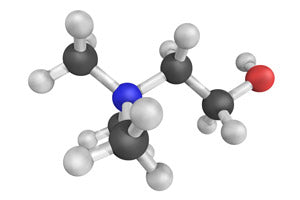 Choline Bitartrate
Choline bitartrate is an edible form of choline, an essential nutrient mainly obtained through diet. Studies show choline deficiency directly causes fatty liver disease, making dietary choline crucial for prevention.
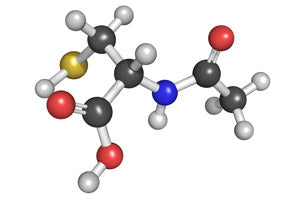 N-Acetyl Cysteine
N-acetyl cysteine, derived from L-cysteine, is on the WHO's Essential Medicines List. Originally used for acetaminophen poisoning, it cleanses the liver by boosting glutathione. A 2019 48-week study found it significantly reduced liver fat.
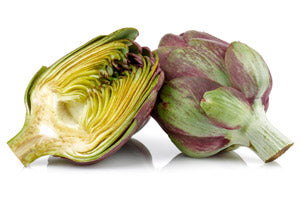 Artichoke Leaf
Artichokes, edible thistle buds eaten since ancient Greek and Roman times, protect the liver and flush toxins thanks to their antioxidants. A 2018 study found artichoke leaf reduced liver lipid concentrations and liver size.

Stage 1: Fat Buildup in Liver Cells
The modern diet makes heavy use of
sugars and carbohydrates, which areconverted to fat by the body. This can
result in a buildup of fat within the liver
cells.

Stage 2: Inflammatory Response
This buildup of fat within the liver cellsautoimmune inflammatorycauses an
response, in which antibodies are
dispatched to target and attack the organ
itself.

Stage 3: Reduced Liver Function
Inflammation reduces the liver's
ability to function properly, negatively
impacting its ability to detoxify the body
and process impurities, causing further
fat accumulation in the liver.
What Are the Consequences of Inflammation?
Withouttaking action, a fatty liver can lead to cirrhosis, which requires significant lifestyle changes.

Fat accumulation in the liver can ultimately lead to cirrhosis, the buildup of scar tissue which damages the organ. At this stage, significant and permanent lifestyle changes are necessary, such as abstaining from alcohol and severely limiting carbohydrate and sugar consumption.
What can we do to protect ourselves from this outcome?
The answer is to promote production of one key antioxidant which is essential for healthy liver function, free from inflammation.
The Biological Cause of a Fatty Liver
Researchers have identified the "mother of all antioxidants" thatprotects the liver against inflammation.
Your liver is responsible for a variety of functions, the most important of which is breaking down toxins which can cause inflammation and cell damage in the body.
As fat continues to accumulate in liver cells, your liver struggles to keep pace with inflammation and is unable to produce enough of what scientists have termed "the mother of all antioxidants" -- glutathione.
This antioxidant is the key actor in controlling inflammation brought on by free radical damage, creating the optimal environment for healthy liver function.


The Hepagard Clinical Study
A placebo-controlled study with 50 participants monitored the safety and effectiveness of Hepagard for 30 days. Here are the statistically significant results:
- Within 2 weeks, 90% of participants reported reduced abdominal bloating, with more than 95% feeling less bloated by the end of the study.
- After 2 weeks, 4 out of 5 reported less heartburn and indigestion, with more than 95% experiencing improved digestion by the end of the study.
- Within 30 days, 4 out of 5 reported increased energy levels and less fatigue.
- None of the participants reported any negative side effects.
Introducing Calciven
Our natural bone support supplement combines low-dose, high-efficiency calcium and amatrix of vitamins and mineralsproven to naturally increase bone density. Click one to find out more:


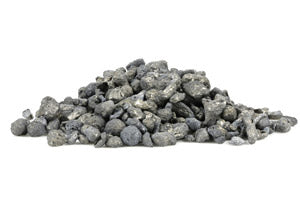 Calcium
Calcium is an essential mineral for healthy bones. When dietary intake is low, the body redirects calcium elsewhere, weakening bones. A 2012 study found supplements cut bone density loss by up to 1.2% and fracture risk by over 10% in the elderly.
 Boron
Boron
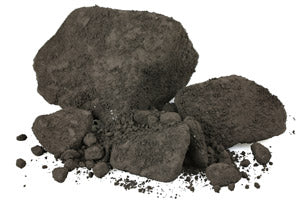
Boron, a trace element in leafy greens, aids vitamin and mineral metabolism for bone health. It prolongs Vitamin D3 and calcium activity, supporting bone density. A 2017 study found boron directly affects bone density and microstructure.
 Vitamin K2
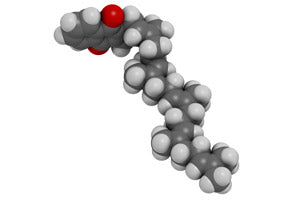
Vitamin K2, found in fermented foods but rare in Western diets, directs calcium into bones instead of blood vessels and kidneys. A 2017 study found it works with Vitamin D3 to strengthen bones.
 Magnesium
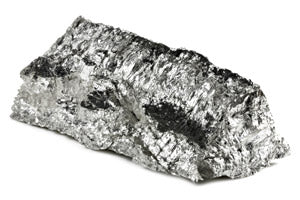
Magnesium, the body's fourth most abundant mineral, stores over 60% in bones. It supports bone regeneration and calcium balance. A 12-month study found supplementation significantly boosted hip bone mineral content.
 Vitamin D3
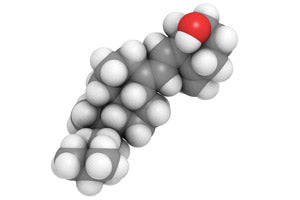
Vitamin D3, made by skin from sunlight or absorbed from food and supplements, boosts intestinal calcium uptake for bone health. A 2016 study found combined calcium and vitamin D3 cut total fractures by 15% and hip fractures by 30%.
Does Calcium Alone Do More Harm than Good?
Most calcium supplements fail to safely and effectively increase bone density in3 critical ways.

First, most popular bone supplements contain calcium carbonate, which is cheap and widely available. This commonly causes constipation, bloating, and other gastrointestinal issues.
Second, when taken alone, calcium is ineffectively absorbed. A supporting matrix of vitamins and minerals is required to direct this calcium into the bones, rather than other parts of the body where it can build up.
And third, excess calcium accumulation outside of the bones has been directly linked to plaque buildup in the arteries, kidney stones, and even an increased risk of colon polyps.
Is There a Way to Safely Increase Bone Density?
Our researchers have developed a comprehensive,three factor approachto optimal bone health.
Calcium is an essential building block for strong, healthy bones. However, the conveniences of today's society and the modern diet deprive us of weight bearing exercise and key vitamins and minerals responsible for efficient calcium absorption. This results in bones that slowly lose density, becoming porous and vulnerable to fracture.
Our researchers have developed a three-factor approach to improving bone density. This unique formula includes the most bioavailable form of calcium, the safest and most efficient dose, and a matrix of vitamins and minerals to ensure proper calcium absorption and delivery directly to the bones.
